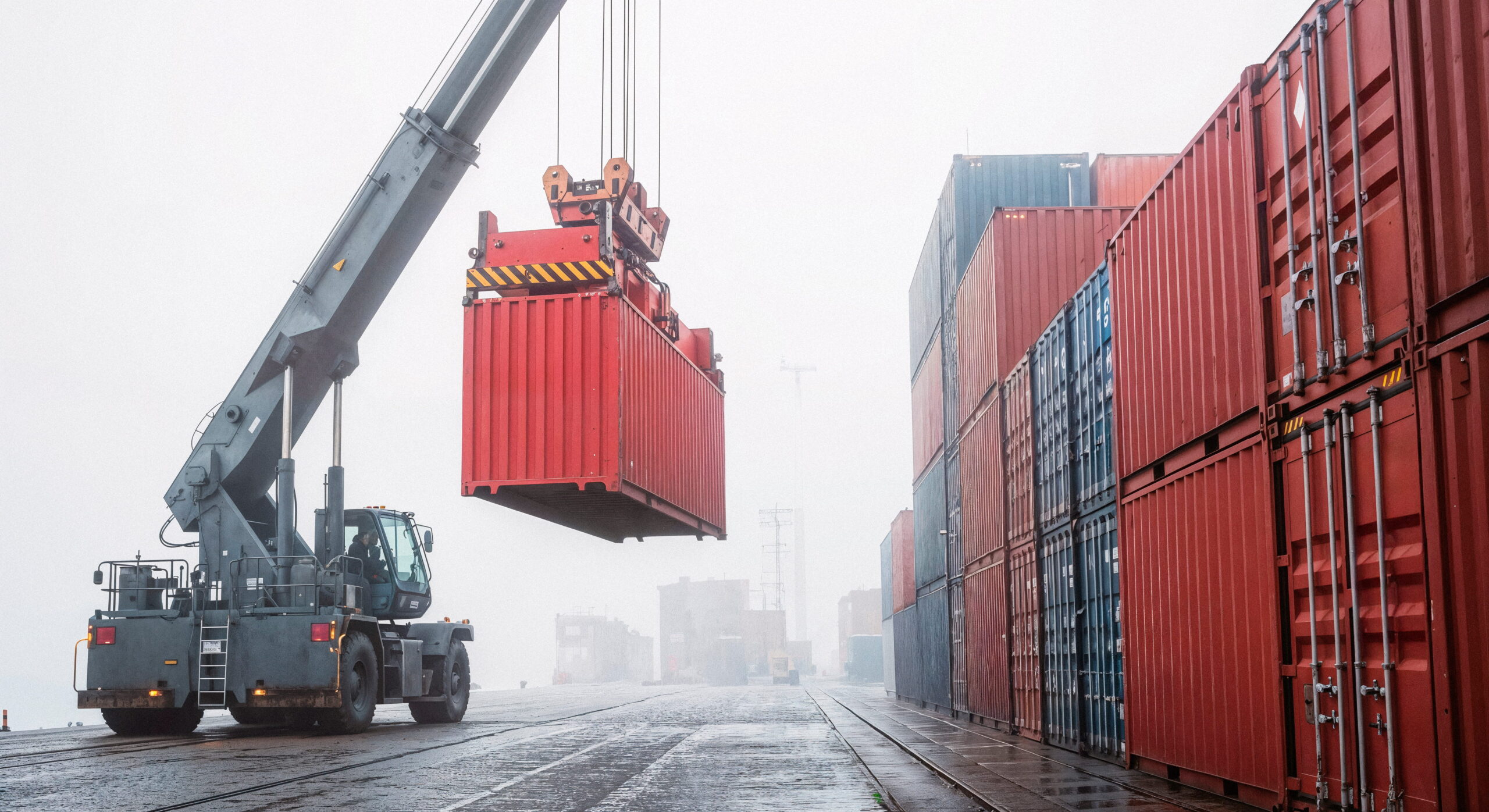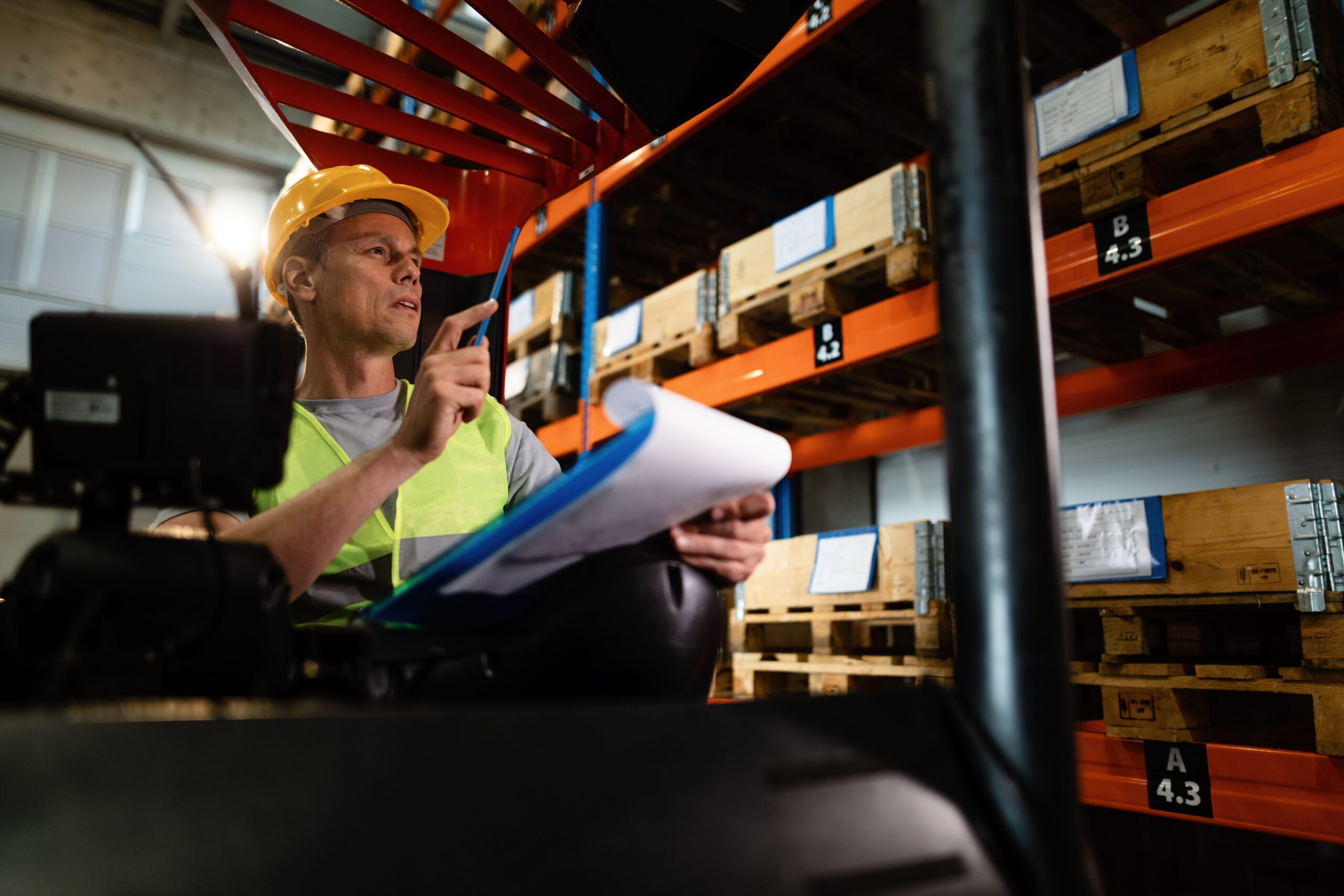
Moving goods across international borders involves more than arranging transportation from one location to another. Before cargo can continue its journey, it may need to pass through customs procedures, documentation checks and other required formalities. For importers, exporters and shipping companies, understanding this part of the process can make cargo movement easier to manage.
Customs clearance is an important part of international cargo movement because it helps ensure that shipments meet the requirements of the destination or transit point. Proper documentation, accurate shipment information and coordination between the relevant parties all play a role in keeping the process organized.
1.What Is Customs Clearance?
Customs clearance is the process through which goods are handled with the relevant customs authorities before they can continue their movement. The process involves submitting the required information and documents and completing the necessary customs procedures for a shipment.
The exact requirements can vary depending on the type of cargo, its origin, destination and other shipment details. This is why businesses need to prepare the right information before their cargo reaches the relevant customs point.
For businesses regularly involved in imports or exports, having a clear process for customs clearance can help reduce unnecessary confusion during cargo movement.
2.Why Customs Clearance Matters
Cargo cannot simply move from one country to another without meeting the required procedures. Customs clearance helps authorities review shipments and process the information associated with imported or exported goods.
For a business, this means customs clearance is closely connected with the wider transportation process. A shipment may have a planned route and transportation arrangement, but the required customs work and documentation still need to be handled properly.
Keeping these requirements organized can help businesses manage their shipments more effectively.
3.Documents and Shipment Information
Documentation is an important part of customs clearance. Businesses may need to provide information about the shipment, cargo, origin, destination and other relevant details.
Incomplete or incorrect information can create additional work during the clearance process. This is why businesses should review shipment documents before cargo reaches the relevant customs point.
Good documentation also makes it easier for the parties involved in the shipment to understand what is being moved and where it needs to go.
4.Customs Clearance and Freight Forwarding
Customs clearance does not work in isolation. It is often one part of a larger cargo movement process that can also involve freight forwarding, transportation and coordination.
A shipment may need to be cleared before it can continue to its next destination. Coordinating these activities helps businesses keep the different stages of cargo movement connected.
For importers and exporters, this can be particularly useful when multiple parties are involved in the shipment.
5.What Can Affect the Clearance Process?
Several factors can influence how a shipment moves through customs. These may include the type of cargo, shipment documentation, origin, destination and the requirements applicable to the movement.
The condition and accuracy of the shipment information also matter. Businesses can make the process easier to manage by preparing the required documents and information in advance.
It is also useful to understand that every shipment can have different requirements. A process that works for one cargo movement may not necessarily apply in exactly the same way to another.
6.How Businesses Can Prepare
Businesses can take a few practical steps before arranging an international shipment.
First, keep the shipment information organized. Make sure the relevant details about the cargo, origin and destination are available.
Second, review the required documentation before the shipment moves.
Third, make sure the parties involved understand their responsibilities. Clear communication between importers, exporters, shipping companies, forwarders and transportation providers can help avoid unnecessary confusion.
7.The Role of a Clearing and Forwarding Company
A clearing and forwarding company can support businesses by handling the practical work involved in cargo movement. This may include customs clearance, documentation, freight forwarding and transportation coordination.
Instead of managing each stage separately, businesses can have support across the connected parts of their shipment.
8.Conclusion
Customs clearance is an essential part of international cargo movement. When documentation, shipment information and coordination are properly managed, businesses can approach the process with greater clarity.
For importers, exporters and shipping companies, understanding how customs clearance connects with forwarding and transportation can help make international cargo movements easier to organize.